


Air Conditioner
The Ultimate Guide to What to Look for When Buying a New AC Unit
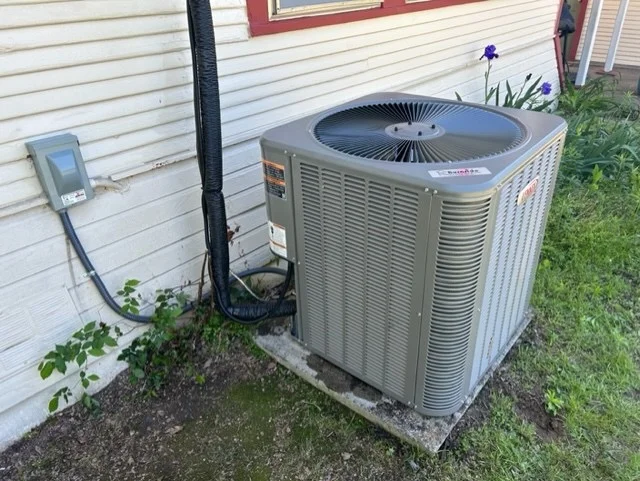
What to Look for When Buying a New AC Unit in McKinney, TX
Knowing what to look for when buying a new AC unit can save you thousands of dollars and years of frustration. Here's a quick overview of the most important factors:
- System type - Central AC, ductless mini-split, or heat pump based on your home's layout
- Correct sizing - A professional Manual J load calculation to determine the right tonnage
- SEER2 efficiency rating - Higher ratings mean lower monthly energy bills
- Compressor type - Single-stage, two-stage, or variable-speed for comfort and efficiency
- Refrigerant type - New units should use R-454B or R-32, not the phased-out R-410A
- Smart features - Wi-Fi thermostats, air filtration, and dehumidification controls
- Professional installation - Licensed HVAC contractors ensure proper setup and warranty coverage
- Warranties and rebates - Equipment and labor coverage plus available tax credits
Replacing your home's air conditioner is one of the biggest purchases you'll make as a homeowner — and in McKinney, TX, where summer temperatures regularly push past 100°F, getting it right isn't optional. A poorly chosen system won't just leave you uncomfortable. It can drive up your energy bills, break down sooner than expected, and cost far more to fix than a well-matched unit would have in the first place.
The good news? When you know what to look for, the decision gets a lot clearer. According to Consumer Reports, about 19% of central AC systems purchased between 2009 and 2024 encountered at least one problem — and nearly a quarter of those units stopped working properly altogether. Most of those problems trace back to poor sizing, mismatched components, or rushed installation decisions made some hot summer afternoon.
This guide walks you through everything — from system types and efficiency ratings to refrigerant regulations and contractor selection — so you can make a confident, informed choice for your North Texas home.
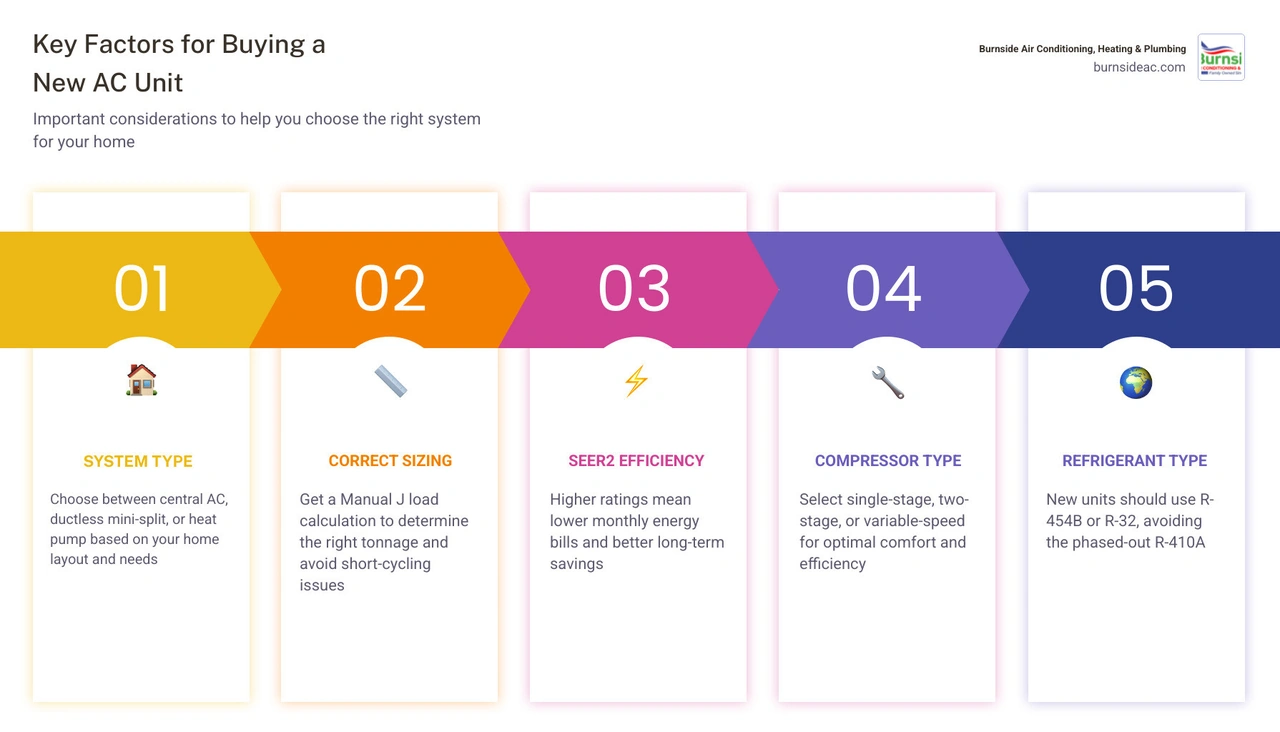
Easy what to look for when buying a new ac unit word list:
Deciding Between AC Repair and Replacement
One of the first questions we hear from homeowners in Plano, Frisco, and Prosper is: "Do I really need a whole new system, or can I get away with another repair?" It is a tough call to make when you are staring down an unexpected system breakdown in the middle of July.
An air conditioner can account for up to 30% of a home’s summer electricity bill, so continuing to run an inefficient, failing unit is often a silent drain on your monthly budget. While the average lifespan of a central air conditioning unit is 15 to 20 years, our intense North Texas summers can compress that timeline. The constant triple-digit heat forces systems in our area to work double-time, meaning a system that is 10 to 12 years old here has often seen as much wear and tear as a 15-year-old system in a milder climate.
To make the right choice, we recommend looking at a few clear indicators:
- The Age of the Unit: If your system is over 10 to 12 years old and starting to require frequent repairs, it is likely reaching the end of its reliable service life.
- The Frequency and Nature of Breakdowns: Are you calling an HVAC technician every summer for a new capacitor, a fan motor, or a refrigerant leak? Frequent minor issues quickly add up, and a major failure like a cracked heat exchanger or a seized compressor is often the final straw.
- Rising Energy Bills: If your utility bills are climbing year after year even though your usage habits haven't changed, your system's internal components are wearing out and drawing more power to do the same amount of work.
- The "Rule of Multiply": A helpful rule of thumb is to multiply the age of your system by the cost of the recommended repair. If the result is close to or exceeds the value of a brand-new, high-efficiency system, investing in a replacement is almost always the smarter long-term financial move.
For a deeper dive into making this decision, check out our guides on How to Decide Between AC Repair and Replacement and When to Consider AC Replacement to see which path makes the most sense for your home. You can also read about what to expect regarding longevity in our article on How Long Does an AC System Last in Texas.
Choosing the Right Type of Air Conditioning System
Not every home in McKinney, Allen, or Celina is built the same way. A sprawling, single-story ranch house in Princeton has different cooling needs than a historic home in downtown McKinney or a newly constructed two-story home in West Frisco. That is why understanding the different system types is a key part of what to look for when buying a new ac unit.

Here are the primary types of air conditioning systems available today:
- Standard Central Air Conditioning (Split System): This is the most common setup in North Texas. It utilizes an outdoor condenser unit to release heat and an indoor evaporator coil (often paired with a gas furnace or air handler) to distribute cool air through a network of ductwork. It is highly effective for whole-home cooling if your ductwork is already in good shape.
- Heat Pumps: A ducted heat pump looks and acts exactly like a central air conditioner during the summer, but it features a reversing valve that allows it to heat your home in the winter. Modern heat pumps are incredibly efficient, transferring heat rather than creating it, making them an excellent choice for our moderate winter climate.
- Ductless Mini-Splits: These systems bypass ductwork entirely. They feature an outdoor compressor connected to one or more indoor air handlers mounted directly on the wall or ceiling. Ductless mini-splits are perfect for homes without existing ducts, historic properties, sunrooms, garage conversions, or creating independent temperature zones in specific rooms.
To help you weigh your options, we've put together detailed comparisons in What Type of AC System is Right for My Home and our Central AC vs Ductless Mini Split Comparison.
Key Factors on What to Look for When Buying a New AC Unit
Once you've settled on the system type, it is time to look at the specific features that will impact your daily comfort, indoor air quality, and monthly utility bills. Modern air conditioners are highly advanced machines compared to the units installed a couple of decades ago.
When shopping around, prioritize these key features:
- Compressor Technology: Older systems use single-stage compressors that operate at either 100% capacity or 0% (completely off). This leads to frequent temperature swings and high energy spikes during startup. Look for two-stage or variable-speed (inverter) compressors that adjust their output dynamically based on the outdoor temperature.
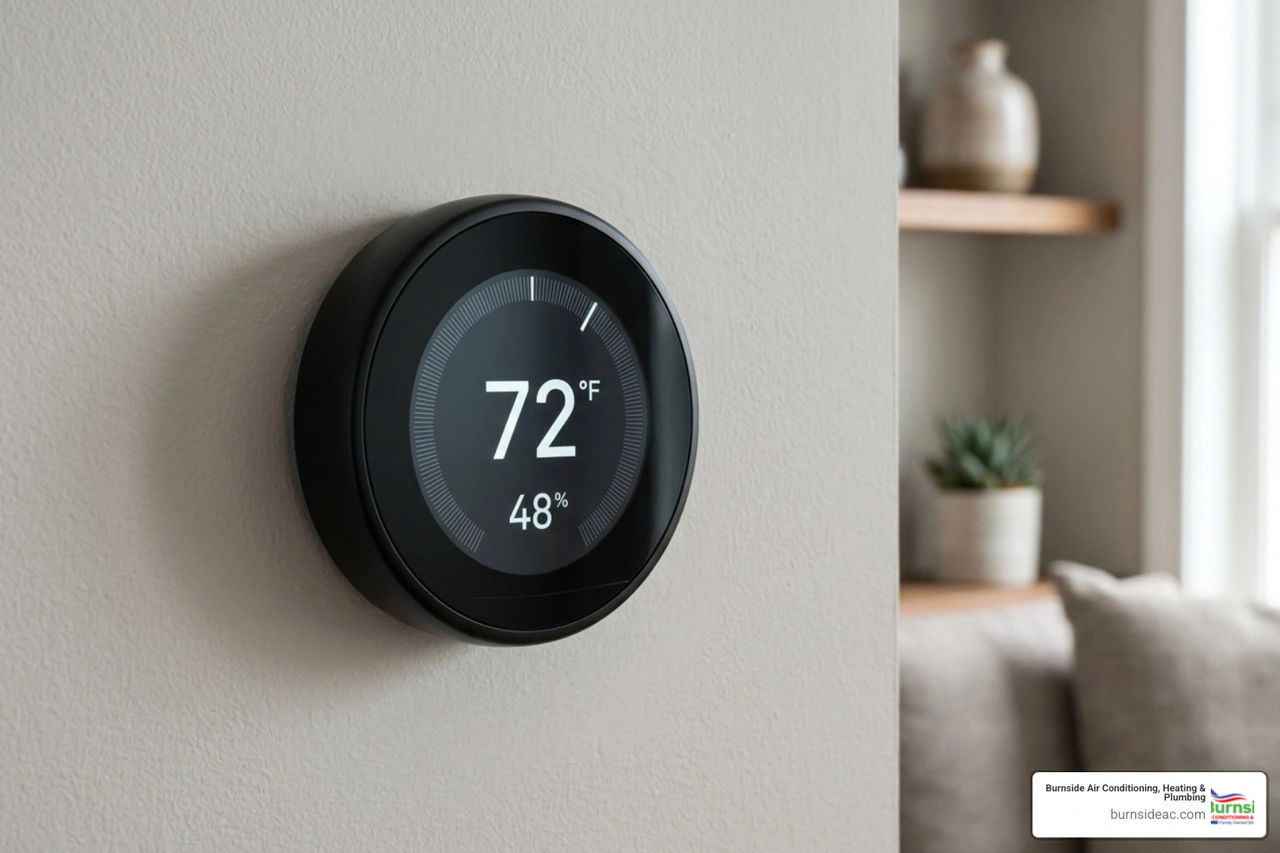
- Smart Controls and Home Integration: A new AC system should be compatible with modern smart thermostats. These devices learn your schedule, adjust temperatures automatically when you leave, and allow you to control your home's climate from your phone.
- Dehumidification and Air Filtration: High humidity makes warm air feel even hotter. Many modern variable-speed units have dedicated dehumidification modes that run the system at slower speeds to pull more moisture out of the air. Additionally, look for systems that can accommodate high-efficiency MERV filters or built-in UV air purifiers to keep your indoor air clean and healthy.
Sizing and Capacity: What to Look for When Buying a New AC Unit
The single most common mistake homeowners make is buying an air conditioner based solely on a "rule of thumb" estimate, such as sizing a unit strictly by square footage. In the HVAC world, bigger is definitely not better.
If your AC unit is oversized, it will cool your home too quickly and shut off. This is known as short-cycling. Because the system runs in short, intense bursts, it never stays on long enough to pull humidity out of the air, leaving your home feeling cold and clammy. It also puts massive wear and tear on the compressor, leading to premature system failure. On the flip side, an undersized unit will run continuously without ever reaching your desired temperature, spiking your energy bills and wearing itself out in a matter of seasons.
To get the perfect fit, a professional must perform a Manual J load calculation. This scientific assessment takes into account:
- The total square footage and volume of your home
- The direction your home faces (solar heat gain)
- The quality and R-value of your attic and wall insulation
- The number, size, and type of windows you have
- Local climate data for North Texas
- The number of occupants in the household
Cooling capacity is measured in British Thermal Units (BTUs) or "tons" (one ton of cooling equals 12,000 BTUs per hour). To learn more about how we calculate this for North Texas homes, read our detailed guides on What Size Air Conditioner Do I Need in Texas and How Many Tons of AC Do I Need for My House.
Energy Efficiency Standards: What to Look for When Buying a New AC Unit
As of 2023, the industry has transitioned to a more rigorous efficiency standard known as SEER2 (Seasonal Energy Efficiency Ratio 2). SEER2 measures a system’s cooling efficiency over a simulated cooling season, but unlike the older SEER standard, it uses a higher external static pressure to better mimic the real-world conditions of a home's ductwork.
In the southern United States, the federal minimum efficiency standard is 15 SEER2 for split-system central air conditioners. However, if you want to see a noticeable reduction in your monthly utility bills, we recommend looking for mid-range units rated between 16 and 18 SEER2, or premium variable-speed systems that can reach up to 22+ SEER2.
When evaluating efficiency, look for the ENERGY STAR label. ENERGY STAR certified central AC units use 8% to 10% less energy than standard models, helping you save money while reducing your home's environmental footprint.
To understand how different compressor designs affect these efficiency ratings, explore our comparison on Single Stage vs Two Stage vs Variable Speed AC. For more practical tips on keeping your bills manageable, read Lower Your Energy Bill and our list of the Top Ten Ways to Save Energy on AC This Summer.
Understanding the New Refrigerant Regulations in 2026
The HVAC industry is currently undergoing a massive regulatory transition. For decades, R-410A (often known by the brand name Puron) was the standard refrigerant used in residential air conditioners. However, because of its high Global Warming Potential (GWP), environmental regulations have phased out the production of new R-410A systems.
As of 2025 and moving into 2026, manufacturers have fully transitioned to a new class of eco-friendly, low-GWP refrigerants. The two primary replacements are R-454B and R-32.
Here is what this means for you as a buyer in 2026:
- Future-Proofing Your Investment: If you buy a new AC unit today, you want to ensure it uses the new refrigerant standards (R-454B or R-32).
- R-410A Availability: While service parts and R-410A refrigerant will remain available for existing systems for several years, the supply of R-410A will steadily decrease, making repairs on older systems increasingly expensive.
- Safety and Performance: The new A2L-rated refrigerants are highly efficient and completely safe when installed by certified professionals who have the proper training and tools to handle them.
By choosing a system that complies with the latest 2026 environmental standards, you ensure that your air conditioner will be easy and cost-effective to service for its entire 15-to-20-year lifespan.
Preparing for Professional AC Installation
You can buy the most expensive, highest-efficiency air conditioner on the market, but if it is installed poorly, it will perform like a budget unit and break down years ahead of its time. Proper installation is the most critical factor in system longevity and performance.
Before a new system is installed, a quality HVAC contractor will perform several essential preparatory steps:
- Ductwork Inspection: Properly sealed and insulated ducts can prevent wasting 20% to 30% of the energy used to run your AC system. If your existing ducts are leaky, crushed, or poorly designed, we must address those issues before installing a new unit.
- Electrical Assessment: High-efficiency modern systems, especially variable-speed units, may require dedicated electrical circuits or updates to your indoor breaker panel to handle the electrical load safely.
- Permits and Compliance: Local building codes in Collin County cities like McKinney, Melissa, and Frisco require official permits and post-installation inspections to ensure the system is safely installed and up to code.
- Location Planning: The physical placement of both the indoor air handler and the outdoor condenser matters. The outdoor unit needs proper clearance (typically 2 to 3 feet on all sides and 5 feet above) to allow for adequate airflow and easy maintenance access.
To make sure your home is ready for the big day, take a look at our guides on AC Installation What to Expect, Prepare Home for New AC Installation, AC Installation Location for Homes, and Installing a New Home AC System. If you live in Frisco, be sure to check out our AC Replacement Frisco TX Complete Guide.
Frequently Asked Questions About Buying a New AC Unit
How long does a new central AC system typically last?
With proper professional maintenance, a central air conditioning system typically lasts between 15 and 20 years. However, in our demanding North Texas climate, systems that are neglected or forced to run with dirty filters and clogged coils may only last 10 to 12 years. Regular annual tune-ups are the single best way to protect your investment and keep your system running efficiently for as long as possible.
Should I replace my furnace at the same time as my AC?
In most cases, yes. Your air conditioner's indoor evaporator coil sits directly on top of or inside your furnace's air handler. These components are designed to work together as a matched system. If you pair a brand-new, high-efficiency outdoor condenser with an old, inefficient furnace blower motor, you will not achieve the rated SEER2 efficiency of your new unit. Replacing both at the same time also saves you money on labor and ensures that your entire heating and cooling system is covered under a single, comprehensive warranty.
Are there tax credits or rebates available for high-efficiency AC units?
Yes! Under the Inflation Reduction Act, homeowners can qualify for federal tax credits of up to 30% of the cost (up to a specific cap) for qualifying high-efficiency heat pumps and air conditioners. Additionally, many local utility providers in the McKinney and Collin County area offer cash-back rebates for installing ENERGY STAR certified systems. We always recommend checking current incentive programs before making your final purchase.
Conclusion
Buying a new air conditioner is a major decision, but when you focus on proper sizing, high SEER2 efficiency ratings, modern refrigerant standards, and professional installation, you can look forward to years of reliable, energy-efficient comfort.
At Burnside AC & Heating, we have been serving our neighbors in McKinney, Melissa, Frisco, Prosper, Allen, Anna, Princeton, New Hope, Celina, and Plano since 1958. As a family-owned business, we pride ourselves on providing accurate diagnostics, expert solutions, and prioritizing American-made parts to deliver our "Gold Star Standard" of service.
Ready to upgrade your home's comfort? Schedule professional AC services with Burnside AC & Heating today, and let our experienced team help you find the perfect cooling system for your home and budget!
Other Blog Posts
Latest Blogs


Customer Testimonial
Hear What Our Customers Say About Their Burnside Experience


I usually don’t leave reviews but Burnside AC really impressed me both times I’ve used them. They were honest and affordable, and they worked around my schedule without any problem. Every technician I met was pleasant, professional, and willing to go above and beyond to make sure everything was done right. It’s rare to find a company you can truly trust, and I highly recommend them.
Jason was excellent. Extremely knowledgeable and very professional. I am really happy with the service he provided, as well as conversing with him personally. I highly recommend him and Burnside. Will definitely be referring Jason and Burnside to family and friends in need of service. Thanks again, Jason!
Thank you Burnside for your great customer service and excellent maintenance team! H.B. completed our fall checkup today in a timely manner and was very friendly and professional. Appreciate you all!
"We have used Burnside for nearly 30 years. They have always been prompt, polite, and professional. Our latest request was a disconnect. You can be sure Burnside's phone will ring as soon as new service is required!"
"I am so impressed with Burnside!!! I will never even consider using anyone else. I was u def a lot of pressure and the heating system was not working correctly and they found a minor inexpensive solution. Another local vendor charged way more for a similar situation. I immediately sighed up for their annual program. God bless them."
"I had Burnside install a new A/C system a few years ago. They did a great job and have returned on a few occasions to perform maintenance. Their technicians are well trained, knowledgeable and courteous. I would highly recommend them for your A/C and heating needs!"
"This crew who installed both of our HCAC units were very good. They worked hard for over 8 hours so we did not have to worry about getting uncomfortable with both units down. Would recommend Burnside to family and friends."
"Excellent inspection and service by Jacob McCormick. He was very efficient, personable and professional. We would like to request him for our future inspections. A first class job!"
"I cannot praise Tim enough for coming to our rescue! We were having issues with rooms over heating and getting too cold, and he was at our house with quickness to resolve the issue!"
.webp)