Is Annual HVAC Maintenance Worth It? Here's the Short Answer
Annual HVAC maintenance is it worth it for most homeowners — and the evidence is hard to argue with. If you're trying to decide whether to schedule that tune-up or sign up for a maintenance plan, here's the quick answer:
Yes, annual HVAC maintenance is worth it for most homeowners because it:
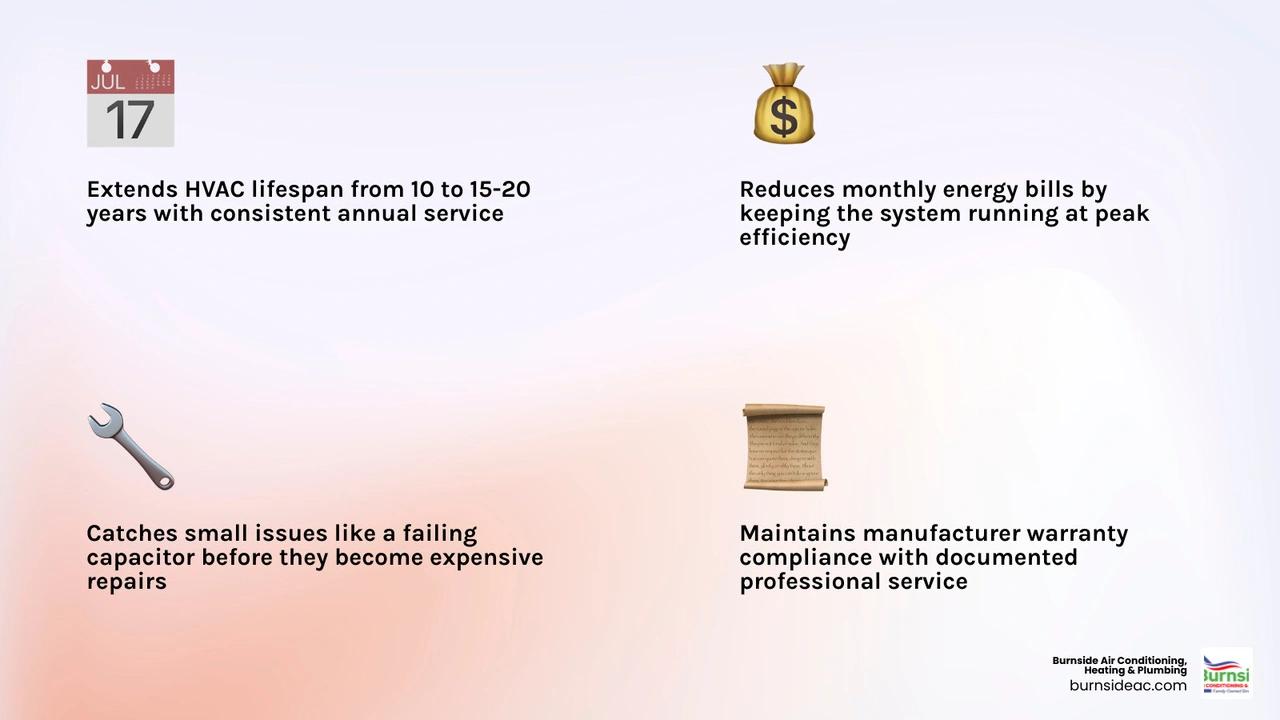
- Extends system lifespan from as few as 10 years up to 15-20 years with proper care
- Helps lower monthly energy bills by keeping your system running efficiently
- Catches small problems (like a failing capacitor) before they become expensive repairs
- Keeps your manufacturer warranty valid — most brands require documented annual service
- Reduces the risk of a breakdown during peak summer heat or a winter cold snap
When it may be less urgent:
- Your system is brand new (under 2-3 years old) and you're comfortable with basic DIY upkeep
- You're planning to replace the system within the next 12 months
For Collin County homeowners dealing with brutal North Texas summers and unpredictable winter freezes, your HVAC system works harder than systems in milder climates. That extra strain makes routine professional care less of a luxury and more of a smart investment. Skipping maintenance year after year is a bit like skipping oil changes — one missed visit rarely causes a disaster, but the slow buildup of wear and neglect eventually catches up with you.
The sections below break down exactly what maintenance includes, what it costs, and how to decide if a plan makes sense for your home and system.
What is an HVAC Maintenance Plan and What Does It Include?
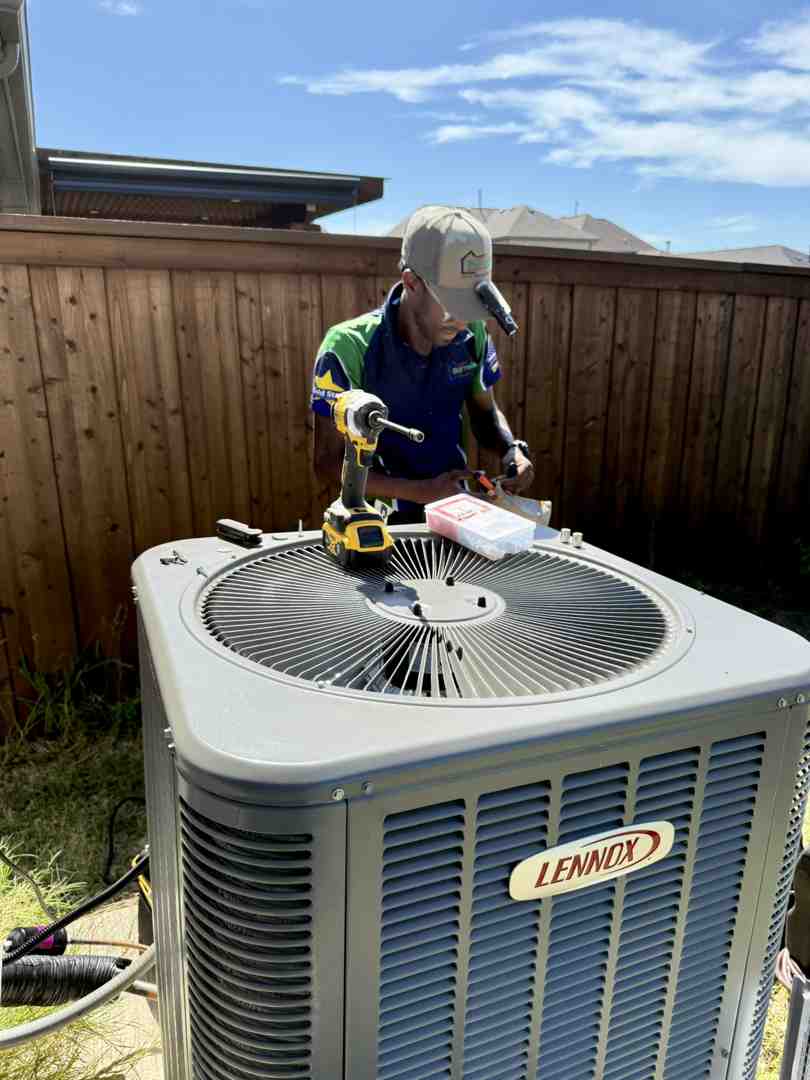
An HVAC maintenance plan is a structured service agreement between you and a professional heating and cooling company. Instead of waiting for your system to break down on a sweltering July afternoon in Frisco or a freezing January night in Plano, a maintenance plan schedules proactive, seasonal tune-ups to keep your heating and cooling equipment running optimally.
When a certified technician performs a professional tune-up, they do not just glance at your system and swap out an air filter. True preventative maintenance is a comprehensive, multi-point physical exam for your home comfort system.
Here is what a professional maintenance visit typically includes:
- Thermostat Calibration: We verify that your thermostat is reading indoor temperatures accurately and communicating correctly with your heating and cooling equipment. A miscalibrated thermostat can cause your system to run too long or short-cycle, wasting energy.
- Electrical Connection Inspection: We check and tighten all electrical connections, measure voltage, and monitor current on motors. Loose connections are a common fire hazard and can lead to premature component failure.
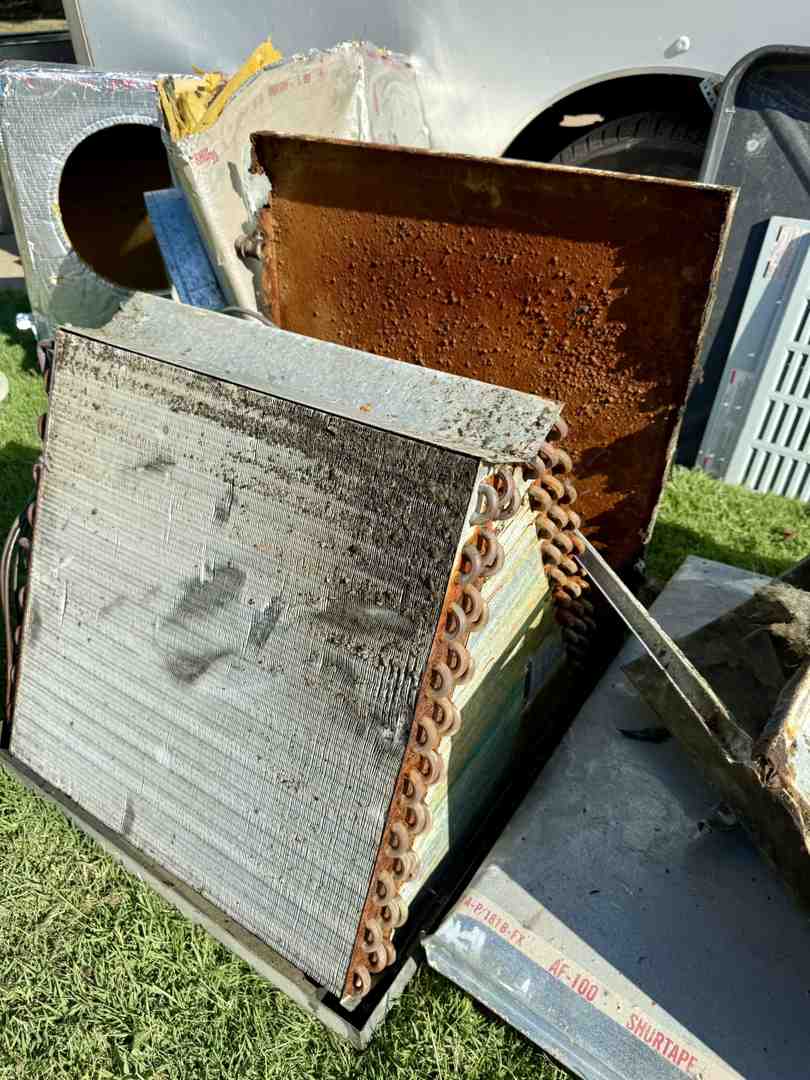
- Deep Coil Cleaning: Dust and debris on your outdoor condenser coil or indoor evaporator coil act like a heavy winter coat, forcing your system to work twice as hard to transfer heat. We clean these coils to restore optimal heat transfer.
- Condensate Drain Line Flushing: Your air conditioner extracts gallons of moisture from the air every day. We inspect and flush the condensate drain line and clean the drain pan to prevent algae buildup, clogs, and catastrophic water damage to your ceilings or floors.
- Lubrication of Moving Parts: Friction is the enemy of mechanical efficiency. We lubricate motors and bearings to reduce wear and tear and keep the system running quietly.
- Safety Controls and Fuel Line Inspection: For heating systems, we test safety controls, inspect gas or oil connections, and check the heat exchanger for dangerous cracks that could leak carbon monoxide into your home.
While there are several tasks you can handle yourself to keep your system happy, a professional tune-up requires specialized diagnostic tools, electrical meters, and refrigerant gauges that only certified pros possess. You can find a complete breakdown of homeowner responsibilities in our Ultimate HVAC Maintenance Tips for Homeowners.
To help visualize the division of labor, here is a comparison of what is handled during a professional visit versus what you can manage on your own:
| Professional Maintenance Tasks (Technician) | DIY Maintenance Tasks (Homeowner) |
|---|
| Calibrating thermostat and system controls | Replacing or cleaning return air filters |
| Testing electrical connections, voltage, and motors | Keeping outdoor unit clear of weeds, leaves, and debris |
| Checking refrigerant charge and looking for leaks | Keeping indoor return and supply vents unobstructed |
| Flushing condensate drain lines and clearing pans | Gently dusting off accessible vent grates |
| Inspecting heat exchanger for cracks and carbon monoxide | Monitoring thermostat battery levels |
| Deep cleaning evaporator and condenser coils | Watching for unusual noises or sudden utility bill spikes |
Annual HVAC Maintenance Is It Worth It for System Longevity and Efficiency?
When considering whether annual hvac maintenance is it worth it, the two most compelling arguments are equipment lifespan and energy efficiency. Your heating and cooling system is likely the most expensive appliance in your home. Protecting that investment simply makes financial sense.
Extending Your System's Lifespan
Think of mechanical wear and tear as a cumulative force. When dirt accumulates on the coils, or when a blower motor runs without proper lubrication, the system undergoes mechanical fatigue. It has to run longer and work harder to achieve the same indoor temperature.
This constant overworking shortens the lifespan of major components like the compressor or the heat exchanger. While a neglected HVAC system in North Texas might struggle and fail in as little as 8 to 10 years, a well-maintained system can easily last 15 to 20 years. By investing in regular upkeep, you defer the massive capital expense of a full system replacement for several years.
Protecting Your Monthly Budget
Energy efficiency is directly tied to system cleanliness and calibration. According to the U.S. Department of Energy, regular maintenance can help reduce energy consumption and lower your heating and cooling bills by keeping your system operating at peak performance. When coils are dirty or refrigerant levels are slightly low, your system loses efficiency. In fact, an unmaintained system can lose a significant percentage of its efficiency year after year.
You can learn more about how proactive service keeps your hard-earned money in your pocket by reading how Regular AC Maintenance Save Money.
Additionally, maintenance is not just a summertime concern. Ensuring your heating unit is prepared for the winter months prevents high utility bills during cold snaps. Discover the mechanics behind winter efficiency in our guide on Why Routine Heating Maintenance Matters.
Evaluating the Value of an HVAC Membership Plan
Many homeowners wonder if they should simply pay for individual service visits as needed or sign up for an ongoing maintenance membership. While pay-as-you-go works for some, a structured membership plan typically offers bundled value that goes far beyond the basic tune-up.
When you invest in a membership plan, you are securing several key benefits:
- Priority Scheduling: During the peak of a North Texas summer, local HVAC companies are flooded with emergency repair calls. Membership plans move you to the front of the line, ensuring you get prompt service when you need it most.
- Repair Discounts: Should your system require a repair during the year, memberships usually include a substantial discount on parts and labor.
- No-Hassle Scheduling: Life gets busy. A membership plan takes the mental burden off your shoulders because we reach out to you to schedule your spring and fall visits.
- Warranty Protection: Most manufacturers require annual professional maintenance to keep your parts warranty valid (more on this below).
If you are weighing the pros and cons of structured service agreements, you can read our comprehensive HVAC Maintenance Plan Value Guide or explore how to Commit to Your Home Using an HVAC Membership. To make the choice even easier, we also address budget concerns in our article, Can You Afford Regular HVAC Maintenance?.
Is an annual HVAC maintenance plan worth it for brand-new systems?
It is a common misconception that brand-new systems do not need maintenance. Homeowners often think, "It is brand new and under warranty, so why should I pay for a service plan?"
In reality, maintenance is highly critical for new systems for two main reasons:
- Protecting the Manufacturer's Warranty: Major HVAC manufacturers (like Trane, Carrier, and Lennox) provide robust parts warranties, but they almost always include a clause stating that the warranty is only valid if the system is professionally maintained every year. If a major component fails and you cannot provide documented proof of annual professional service, the manufacturer can deny your warranty claim, leaving you to pay for the replacement part out of pocket.
- Verifying the Installation and Break-In Period: During the first year or two of operation, a new system settles. Professional maintenance ensures that the electrical connections remain tight, the refrigerant levels are exactly at factory specifications, and the system is breaking in correctly without any early mechanical defects.
Neglecting a brand-new system can set off a slow chain reaction of component wear. Learn more about the long-term risks in our article on the Consequences of Not Maintaining Your HVAC.
Why annual HVAC maintenance is it worth it for older heating and cooling units
For older systems (typically 5 to 15 years old), annual maintenance is your primary defense against sudden mechanical failure. As components age, they naturally experience wear and tear. Capacitors lose their ability to hold an electrical charge, fan blades become unbalanced, and electrical contacts can pit or burn.
Catching these issues early is key. For example, during a routine tune-up, a technician might notice a bulging capacitor. Replacing this small, inexpensive part immediately prevents it from failing on a weekend and causing the much more expensive blower motor or compressor to burn out.
Preventative care for older units is the ultimate way to Avoid Costly HVAC Repairs and extend the time before you have to purchase a new system. If you live in our southern service areas, you can also explore The Cost-Saving Benefits of Proper Heating Maintenance in Allen, TX to see how local climate patterns impact older heating systems.
DIY Maintenance vs. Professional Care
While professional maintenance is essential, homeowners can play a massive role in keeping their systems running smoothly. Taking care of basic tasks between professional visits ensures high efficiency and clean indoor air.
What You Can Do Yourself
- Change Your Air Filters: This is the single most important DIY task. A clogged air filter restricts airflow, forcing your system to run longer, overheat, and consume more energy. Check your filter monthly and replace it every 1 to 3 months, depending on pets, allergies, and household size.
- Keep the Outdoor Unit Clear: Your outdoor condenser unit needs room to breathe. Trim back shrubs, vines, and weeds to maintain at least two feet of clear space around the entire unit. Clear away fallen leaves, twigs, and grass clippings.
- Keep Indoor Vents Open: Ensure that furniture, drapes, and rugs are not blocking your return air grates or supply registers. Closing vents does not save energy; instead, it increases pressure in your ductwork and strains the system.
Why Certain Tasks Must Be Left to Professionals
While DIY care is helpful, attempting to service complex mechanical or electrical components yourself is highly dangerous and can damage your system.
- Refrigerant Handling Safety: Handling refrigerant requires specialized EPA certification. If your system is low on refrigerant, it means there is a leak. A professional must locate the leak, repair it, and recharge the system using precise gauges.
- Electrical Hazards: HVAC units run on high voltage. Testing capacitors, contactors, and wiring with a multimeter without proper training poses a severe risk of electrocution or electrical fire.
- Combustion Safety: Gas furnaces utilize open flames and produce carbon monoxide. Inspecting gas lines, checking valves, and examining the delicate heat exchanger for microscopic cracks requires specialized combustion analyzers and camera scopes to ensure your family's safety.
Frequently Asked Questions About HVAC Servicing
How often should you service your HVAC system?
We recommend scheduling professional maintenance twice a year: once in the spring before the intense cooling season begins, and once in the fall before you turn on your heater for the winter. If you use a heat pump system, which handles both heating and cooling year-round, this bi-annual schedule is even more critical.
For a deeper dive into timing your service visits, check out our guide on How Often Should You Service Your HVAC System?.
What common problems does regular maintenance prevent?
Routine maintenance is designed to catch small issues before they escalate. Some of the most common problems we prevent include:
- Frozen Evaporator Coils: Usually caused by restricted airflow (dirty filters) or low refrigerant, which can lead to liquid refrigerant floodback and destroy your compressor.
- Clogged Condensate Drains: Algae and dirt can clog your drain line, causing water to back up and overflow, resulting in severe water damage to drywall and ceilings.
- Electrical Failure: Worn-out contactors and weak capacitors can cause your system's motors and compressor to burn out prematurely.
Can skipping annual maintenance void my warranty?
Yes. The vast majority of HVAC manufacturers require documented proof of annual professional maintenance to honor their 5-year or 10-year parts warranties. If a major component fails and you cannot provide maintenance records from a licensed HVAC company, the manufacturer has the right to void the warranty, leaving you responsible for the full cost of the repair.
Conclusion
When you look at the facts, the answer to annual hvac maintenance is it worth it is a resounding yes. It protects your indoor comfort, lowers your utility bills, prevents emergency breakdowns, and extends the life of your expensive equipment.
At Burnside Air Conditioning & Heating, we have been serving our neighbors in McKinney, Frisco, Allen, Plano, and the surrounding Collin County areas since 1958. As a family-owned company, we take pride in delivering accurate diagnostics, expert solutions, and prioritizing American-made parts. We call this our "Gold Star Standard" of service.
Ready to secure your peace of mind and keep your home comfortable year-round? Explore our professional heating and cooling services by visiting our HVAC Services Page and schedule your seasonal tune-up today!





.webp)