


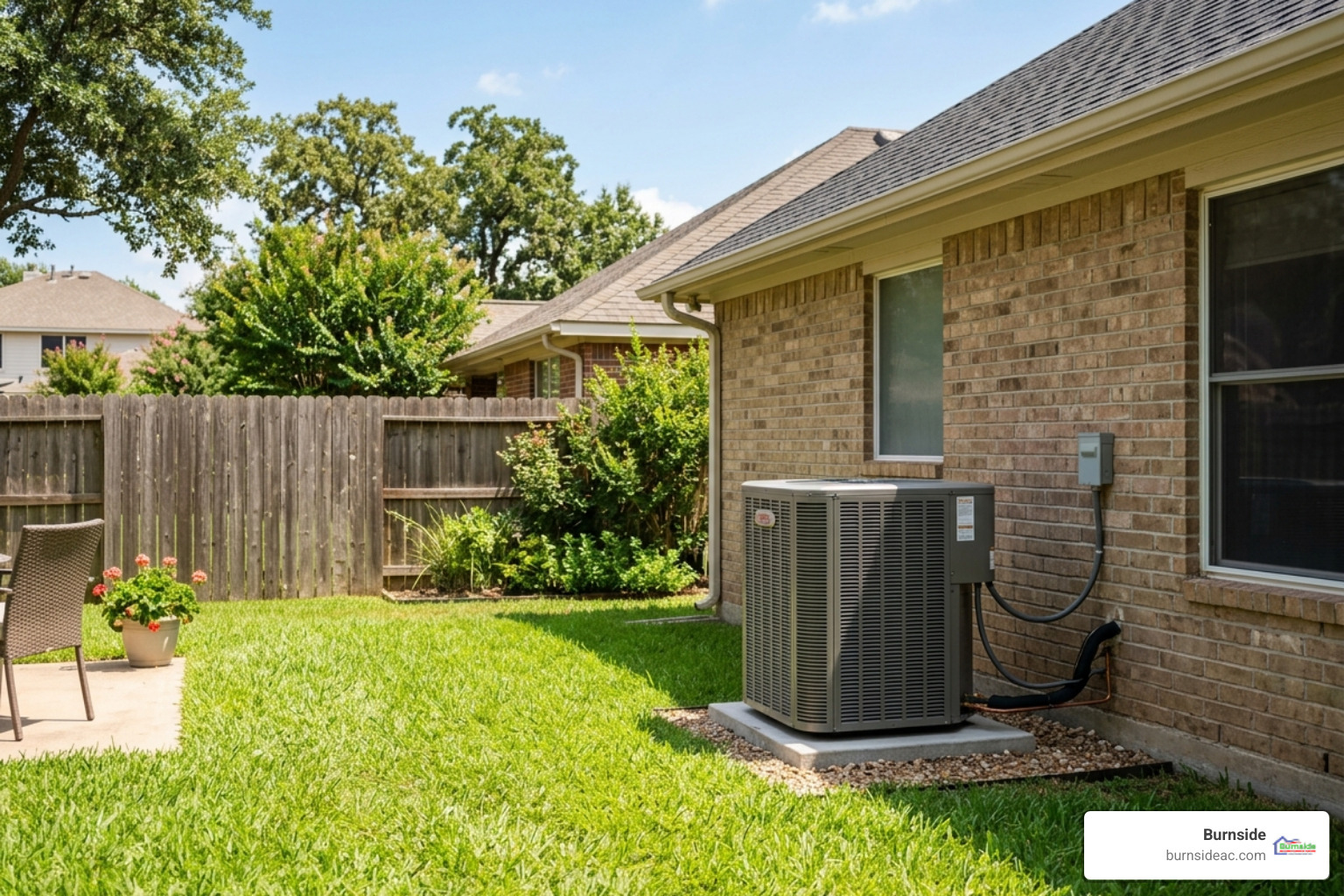
Air Conditioner
How to Do DIY Heater Maintenance in Frisco in 5 Easy Steps

Why DIY Heater Maintenance Tips Frisco Matters for Your Home Comfort
DIY Heater Maintenance Tips Frisco homeowners need to know can save you hundreds of dollars annually while keeping your family warm through North Texas winters. When temperatures drop in Frisco, your heating system works overtime to combat the cold, and without proper care, you're risking unexpected breakdowns, sky-high energy bills, and costly emergency repairs. Regular maintenance isn't just about preventing problems—it's about protecting your investment and ensuring reliable comfort when you need it most.
Quick Answer: Essential DIY Heater Maintenance for Frisco Homeowners
- Replace air filters every 90 days (monthly if you have pets)
- Clean vents and blower assemblies to remove dust buildup
- Inspect burners and flame sensors for blue flames and proper ignition
- Flush your water heater annually to combat Frisco's hard water
- Test thermostats and carbon monoxide detectors before heating season
If you're looking for comprehensive care beyond DIY basics, explore professional heating maintenance in Frisco or schedule a heating service appointment to ensure your system is winter-ready.
According to industry data, homeowners who perform regular maintenance can reduce energy bills by up to 30% and add five years to their heater's lifespan. That's significant savings for Frisco families facing cold snaps and fluctuating temperatures. The good news? Most essential maintenance tasks take less than an hour and require only basic tools you probably already own.
This guide walks you through five straightforward steps custom to Frisco's climate and water conditions. You'll learn which tasks you can safely handle yourself and when to call experienced professionals like Burnside Air Conditioning & Heating & Plumbing. Whether you have a forced-air furnace or electric heating system, these practical tips will help you maintain peak performance, catch small issues before they become expensive problems, and keep your home comfortable all winter long.
Preparing for DIY Heater Maintenance Tips Frisco
Before we dive into the nitty-gritty of the "how-to," we need to get our ducks in a row. Maintenance is a breeze when you have the right tools and a clear safety plan. In Frisco, our weather can flip from a sunny 70 degrees to a freezing 30 in a matter of hours, so being prepared is half the battle.
Safety First: The Golden Rules
We cannot stress this enough: safety is the most important part of any DIY project. Before you touch a single screw on your furnace or water heater, follow these protocols:
- Power Disconnect: Locate the power switch near your furnace (it often looks like a regular light switch) and flip it to "Off." Additionally, find your circuit breaker and turn off the power to the unit there.
- Gas Shutoff: If you have a gas furnace, locate the gas valve and turn it to the "Off" position (the handle should be perpendicular to the pipe).
- Cooldown Period: If your heater was recently running, give it at least 30 minutes to cool down so you don't burn your hands on the heat exchanger or blower motor.
Your DIY Maintenance Toolkit
You don't need a heavy-duty van full of equipment to handle basic DIY Heater Maintenance Tips Frisco. In fact, most of these items are likely sitting in your garage or under the kitchen sink right now:
- Screwdriver set: To remove access panels.
- Shop vac with hose attachments: Essential for sucking out dust and debris.
- Soft brush: For gently cleaning delicate components like the blower fan or flame sensor.
- Flashlight: To see into those dark, dusty corners of the cabinet.
- Microfiber cloth: For wiping down the exterior and thermostat.
- Replacement filters: Always keep a spare on hand.
- Lubricant: Specifically non-detergent 20-weight oil (if your motor has lubrication ports).
- Carbon monoxide detector: To ensure your home stays safe from the "silent killer."
If you run into a snag where the heater won't start even after your prep, check out these 8 Simple Fixes if Your Heater Is Not Working to see if it’s a quick fix like a tripped breaker or a thermostat battery issue.
5 Steps to Maintain Your Frisco Heating System
Now that we are prepped and safe, let’s get to work. Following these five steps will keep your system humming along efficiently, even when the North Texas wind starts howling.
Step 1: Replace Air Filters Regularly
This is the single most important task you can perform. A dirty air filter is the number one cause of furnace failure. When the filter is clogged, your blower motor has to work twice as hard to pull air through, leading to overheating and premature wear.
In Frisco, we deal with unique air quality challenges. Between the construction dust in growing neighborhoods and the seasonal pollen, our filters get dirty fast.
- MERV Ratings: We recommend using a filter with a MERV rating between 8 and 11. This provides a great balance between catching small particles and maintaining high airflow.
- The Schedule: Check your filter every 30 days. If you have pets (looking at you, Golden Retriever owners!) or family members with allergies, you may need to replace it monthly. At a minimum, never go longer than 90 days.
- Direction Matters: Look for the arrow on the filter frame. It should always point toward the furnace, following the direction of the airflow.
For a more detailed look at what to check, the Maintenance Checklist from Energy Star is a fantastic resource to keep you on track.
Step 2: Clean Vents and Blower Assemblies
Airflow is the lifeblood of your heating system. If your vents (registers) are blocked by furniture or covered in thick dust, your home won't heat evenly.
Take your shop vac and go through every room in the house. Remove the register covers and vacuum out the dust that has settled just inside the ducts. While you're at it, make sure no rugs or curtains are blocking the return air vents.
Inside the furnace itself, the blower assembly can become a magnet for dust. If you feel comfortable removing the access panel, use your soft brush and shop vac to gently clean the fan blades. Even a tiny layer of dust on these blades can reduce efficiency by up to 15 percent! If this sounds a bit too technical, you can always look into professional Furnace & Heater Maintenance – Frisco, Mckinney, Allen to ensure the internal components are spotless.
Step 3: Inspect Burners and Flame Sensors
For those of us with gas furnaces, the combustion process needs to be clean. Open the burner cover and take a look at the flames while the unit is running (be careful and keep your distance).
- The "Blue" Rule: A healthy burner flame should be steady and bright blue. This indicates complete combustion.
- The "Yellow" Warning: If you see flickering yellow or orange flames, this is a sign of incomplete combustion, which can lead to carbon monoxide production. This is often caused by dirt or soot buildup on the burners.
- Flame Sensor: This is a small, thin metal rod. If it gets covered in soot, it won't "see" the flame and will shut your furnace down for safety. You can gently clean it with a piece of fine emery cloth or a clean microfiber cloth.
Step 4: Flush Your Water Heater
We can't talk about DIY Heater Maintenance Tips Frisco without mentioning water heaters. Frisco is known for "hard water," which is high in minerals like calcium and magnesium. These minerals settle at the bottom of your tank, creating a thick layer of sediment.
This sediment acts as an insulator, meaning your heater has to heat the "rock" at the bottom before it can heat the water. This leads to temperature swings, popping noises, and higher gas or electric bills.
- Traditional Tanks: Connect a garden hose to the drain valve at the bottom of the tank, run the other end to a floor drain or outside, and let it flush until the water runs clear.
- Tankless Systems: These require a "descaling" process using a pump and a food-grade vinegar solution. Flushing a tankless unit annually can prevent scale buildup that leads to reduced flow and system failure.
Step 5: Calibrate Thermostats and Safety Alarms
Your thermostat is the brain of the operation. If it’s dusty or unlevel, it might be giving your heater the wrong instructions.
- Batteries: Change your thermostat batteries once a year (we like to do this when the clocks change).
- Cleanliness: Pop the cover off and use a soft brush or a can of compressed air to blow out any dust from the sensors.
- Safety Alarms: This is the most critical part of Step 5. Test your carbon monoxide (CO) detectors. CO is odorless and tasteless, and a malfunctioning furnace can leak it into your home. Ensure you have a detector on every floor and near every sleeping area.
For more on keeping the "brain" of your system healthy, check out these Maintenance Tips to Keep Your HVAC System Healthy.
DIY Heater Maintenance Tips Frisco: Forced-Air vs. Electric Systems
Not all heating systems are created equal. While many Frisco homes use natural gas forced-air furnaces, many newer developments and apartments use electric heat strips or heat pumps. Understanding the difference is key to your DIY success.
| Feature | Forced-Air (Gas) | Electric Heating |
|---|---|---|
| Primary Concern | Combustion safety & Gas leaks | Electrical connections & Heat strips |
| Maintenance Task | Cleaning burners & flue pipes | Inspecting wiring & heating elements |
| Air Filter | Critical for airflow | Critical for airflow |
| Safety Device | Carbon Monoxide detector | Circuit breakers |
| Efficiency | High (if burners are clean) | High (if elements are dust-free) |
Electric systems generally have fewer moving parts than gas systems, but they are still susceptible to dust. Dust on an electric heating element can cause a "burning smell" the first time you turn it on in the fall. While usually harmless, excessive dust can cause the elements to overheat and burn out.
Essential DIY Heater Maintenance Tips Frisco for Energy Efficiency
Why do we put in all this effort? Because the rewards are tangible. Regular maintenance can reduce your energy bills by up to 30%. In a large Frisco home, that’s a lot of extra "fun money" for dinners at The Star.
Lubrication is a big part of this efficiency. If your blower motor has small oil ports, adding a few drops of non-detergent oil reduces friction. Less friction means the motor draws less electricity, stays cooler, and lasts longer. Routine upkeep can save an average of $500 annually on repairs by catching small issues before they snowball. For a professional-grade overview of what a full tune-up entails, you can see Milestones' Tune Up For Your Home Furnace guidelines.
When to Stop Using DIY Heater Maintenance Tips Frisco and Call a Pro
We love a good DIY project, but we also know when it’s time to hang up the tool belt. Some things are simply too dangerous or complex for a homeowner to handle.
Stop what you are doing and call us if you notice:
- Short Cycling: If your furnace turns on and off every few minutes (cycles under 5 minutes), it’s likely overheating or has a faulty sensor.
- The "Boom" or "Bang": Loud noises during ignition could indicate delayed ignition, which can be dangerous.
- Yellow Flames: As mentioned, this is a major CO risk.
- Refrigerant Leaks: If you have a heat pump and it’s not heating, you might have a leak. Refrigerant is a hazardous chemical that requires a license to handle.
- Cracked Heat Exchanger: This is a "red tag" issue. A crack in the metal chamber where combustion happens can leak CO directly into your vents. This requires professional diagnostic tools to find.
For those times when the job is too big, Preventive Maintenance - Exodus Mechanical offers a glimpse into why professional intervention is sometimes the safest route.
Frequently Asked Questions about Frisco Heater Care
How often should Frisco residents perform DIY heating maintenance?
We recommend a "Seasonal Transition" approach. Perform a deep clean and inspection in the early fall (September or October) before you need the heat. Throughout the winter, perform monthly filter checks. Finally, do a quick check-up in the spring when you switch back to cooling, as the blower motor works year-round for both systems.
What are the risks of neglecting heater maintenance in North Texas?
Neglect leads to a "domino effect" of problems. Dirty filters lead to cracked heat exchangers. Sediment in water heaters leads to burst tanks. In our climate, a sudden freeze (like the ones we've seen recently in Collin County) can cause unmaintained pipes to freeze and burst if the heater fails. Furthermore, neglecting maintenance can lead to high utility bills and poor indoor air quality, which can aggravate asthma and allergies.
Can DIY maintenance help my heater last longer?
Absolutely! Consistent maintenance can add up to 5 years to your heater's lifespan. Think of it like changing the oil in your car. If you never change the oil, the engine will seize. If you never change your furnace filter or clean the burners, the "engine" of your home will fail long before its time.
Conclusion
Taking care of your home doesn't have to be a daunting task. By following these DIY Heater Maintenance Tips Frisco homeowners can master, you are ensuring a safer, warmer, and more efficient home for your family. From the simple act of swapping a filter to the annual flushing of your water heater, these small steps pay massive dividends in comfort and cost savings.
However, we know that life gets busy, and sometimes you want the peace of mind that comes with a "Gold Star" inspection. At Burnside Air Conditioning & Heating & Plumbing, we’ve been serving McKinney, Frisco, and the surrounding Collin County areas since 1958. As a family-owned business, we treat your home like our own, prioritizing American-made parts and expert solutions.
Whether you need a quick tune-up or a complex repair, our team is ready to provide the professional care your system deserves. Don't wait for the next North Texas freeze to find out if your heater is up to the task.
Ready to ensure your home is perfectly cozy?Schedule your professional Heating Maintenance in Frisco, TX today and experience the Burnside difference!
Other Blog Posts
Latest Blogs
Customer Testimonial
Hear What Our Customers Say About Their Burnside Experience


I usually don’t leave reviews but Burnside AC really impressed me both times I’ve used them. They were honest and affordable, and they worked around my schedule without any problem. Every technician I met was pleasant, professional, and willing to go above and beyond to make sure everything was done right. It’s rare to find a company you can truly trust, and I highly recommend them.
Jason was excellent. Extremely knowledgeable and very professional. I am really happy with the service he provided, as well as conversing with him personally. I highly recommend him and Burnside. Will definitely be referring Jason and Burnside to family and friends in need of service. Thanks again, Jason!
Thank you Burnside for your great customer service and excellent maintenance team! H.B. completed our fall checkup today in a timely manner and was very friendly and professional. Appreciate you all!
"We have used Burnside for nearly 30 years. They have always been prompt, polite, and professional. Our latest request was a disconnect. You can be sure Burnside's phone will ring as soon as new service is required!"
"I am so impressed with Burnside!!! I will never even consider using anyone else. I was u def a lot of pressure and the heating system was not working correctly and they found a minor inexpensive solution. Another local vendor charged way more for a similar situation. I immediately sighed up for their annual program. God bless them."
"I had Burnside install a new A/C system a few years ago. They did a great job and have returned on a few occasions to perform maintenance. Their technicians are well trained, knowledgeable and courteous. I would highly recommend them for your A/C and heating needs!"
"This crew who installed both of our HCAC units were very good. They worked hard for over 8 hours so we did not have to worry about getting uncomfortable with both units down. Would recommend Burnside to family and friends."
"Excellent inspection and service by Jacob McCormick. He was very efficient, personable and professional. We would like to request him for our future inspections. A first class job!"
"I cannot praise Tim enough for coming to our rescue! We were having issues with rooms over heating and getting too cold, and he was at our house with quickness to resolve the issue!"
.webp)